As the Thanksgiving holiday approaches, with an anticipated 80 million Americans hitting the roads, it's a timely reminder that foodborne illnesses are increasing. Fortunately, these illnesses are largely preventable with proper precautions. To ensure the safety of the meals and leftovers we prepare for our family, I sought advice from wellness expert Dr. Leana Wen. Dr. Wen, an emergency physician and clinical associate professor at George Washington University, has extensive experience in food safety from her tenure as Baltimore's health commissioner.
What are the causes of foodborne infections?
Dr. Leana Wen explains that foodborne infections stem from pathogens such as bacteria, viruses, and parasites. In the United States, norovirus is the most prevalent cause of foodborne infections. This highly contagious virus spreads through person-to-person contact, often via shared utensils or by touching contaminated objects and then the mouth. Other bacteria responsible for foodborne illnesses include salmonella, E. coli, Campylobacter, and listeria.
What symptoms do individuals typically exhibit?
Dr. Wen notes that common symptoms of foodborne illness encompass abdominal pain, nausea, diarrhea, and vomiting. While many individuals recover within a day, others may suffer severe illness depending on the pathogen and their pre-existing health conditions. Vulnerable groups include young children, pregnant women, the elderly, and those with compromised immune systems.
How can I ensure the food I prepare is safe, especially with recent food recalls?
While high-profile food recalls have made headlines, Dr. Wen emphasizes that most foodborne illnesses occur in everyday settings. It's crucial to stay informed about food recalls, which are listed by the U.S. government, and to check your fridge and pantry for any unsafe products. However, it's also important to focus on safe food preparation practices.
What are the best practices for defrosting a turkey?
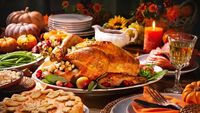
Defrosting a turkey safely is essential to prevent bacterial growth. Dr. Wen outlines three methods for safely thawing turkey and other meats. The first method is to thaw in the refrigerator, which is the safest but takes the longest. Place the turkey in a container to prevent drips onto other foods, and allow 24 hours for every 4 to 5 pounds of turkey. The second method involves submerging the turkey in cold water in a leak-proof bag, which takes approximately 30 minutes per pound and requires changing the water every 30 minutes. It's imperative to cook the turkey immediately after thawing to prevent bacteria from multiplying. The third method is to use a microwave, with the time varying by appliance. This is the quickest method, but since parts of the turkey may begin to cook, it's essential to cook the turkey immediately after thawing. Leaving the turkey to thaw on a counter in a warm room is not advisable, as this can lead to uneven thawing and bacterial growth.
How long can a Thanksgiving buffet remain out before it's unsafe?
Dr. Wen advises following the "two-hour rule." Once food is cooked, it should not be left at room temperature for more than two hours. In warmer climates or outdoor settings where temperatures exceed 90 degrees Fahrenheit, food should be refrigerated after just one hour. This rule applies to all perishable foods, including meats, fish, and dairy products. Cooked leftovers should also be refrigerated. Foods exempt from the two-hour rule include baked goods like cookies and cakes, dried meats such as jerky, whole fruits that are uncut, and nuts.
What if food is kept warm on a burner or in a slow cooker?
The temperature range in which bacteria multiply rapidly is between 40 and 140 degrees Fahrenheit. If food is kept warm at a temperature above 140 degrees Fahrenheit or cooled below 40 degrees Fahrenheit, it does not count toward the two-hour rule. However, within two hours of removing the food from the warming or cooling device, it should be refrigerated.
Can food be refrigerated for the next day's leftovers?
Yes, leftovers can be enjoyed the next day if they are stored in the refrigerator in a timely manner. Leftovers can typically be kept in the fridge for three to four days and can also be frozen for three to four months.
Are there any other safety tips to consider before gatherings?
In addition to thawing and storing leftovers, it's important to cook or reheat food to the correct temperature. The required internal temperature varies by type of meat or fish, and using a meat thermometer is crucial for monitoring. Fish should be cooked to 145 degrees Fahrenheit, and chicken, turkey, and other poultry to 165 degrees Fahrenheit. Be vigilant about cross-contamination by not using containers or utensils that have touched raw meat or fish with other products, such as vegetables and fruits.
Norovirus, the most common cause of foodborne illness, should also be considered. Individuals experiencing symptoms such as nausea, vomiting, diarrhea, stomach cramps, or other signs of norovirus should not prepare food. Frequent and thorough hand washing with soap and water is essential. Event hosts should encourage those with respiratory infections to stay home, and individuals with underlying conditions that make them more susceptible to severe illness should take additional precautions tailored to their specific circumstances.
By Victoria Gonzalez/Dec 4, 2024

By Ryan Martin/Dec 4, 2024

By Jessica Lee/Dec 4, 2024

By David Anderson/Dec 4, 2024

By Elizabeth Taylor/Dec 4, 2024

By Samuel Cooper/Dec 4, 2024
By Megan Clark/Dec 4, 2024

By Christopher Harris/Dec 4, 2024

By David Anderson/Dec 4, 2024

By Noah Bell/Dec 4, 2024
By Noah Bell/Nov 28, 2024

By Victoria Gonzalez/Nov 28, 2024

By James Moore/Nov 28, 2024

By Grace Cox/Nov 28, 2024

By Natalie Campbell/Nov 28, 2024

By Amanda Phillips/Nov 28, 2024
By Laura Wilson/Nov 28, 2024
By Grace Cox/Nov 28, 2024
By Jessica Lee/Nov 26, 2024

By Sarah Davis/Nov 26, 2024