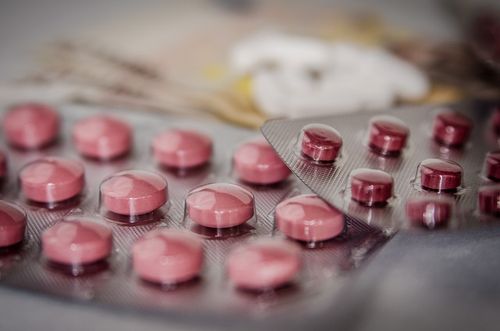
For many years, Thailand has been renowned for its high-quality silk fabrics, which have been shipped worldwide. However, researchers in the biomedical field at Chulalongkorn University in Bangkok have uncovered an innovative application for this material: its use in the delivery of pharmaceuticals. Various methods exist for administering drugs, including oral tablets and capsules, topical patches, creams, and an array of injections.
Juthamas Ratanavaraporn, the head of the biomedical engineering research center at Chulalongkorn University, has revealed that silk fibroin—a natural protein that contributes to silk's remarkable strength—can encapsulate medication within a sac that degrades more slowly than other proteins like gelatin or chitosan, thus releasing the drug gradually into the body.
"Instead of requiring large or frequent doses, the protein capsule can release the medication in a controlled manner, providing the body with the necessary amounts. This controlled release can reduce the total dosage and the likelihood of side effects," Ratanavaraporn explains. With over 17 years of experience in studying silk, Ratanavaraporn has translated her research into a business venture, launching a company in 2021 with two colleagues from her research group. Their startup, EngineLife, is now commercializing their findings, and their inaugural product—a patch for treating insomnia—was recently approved by the Thai FDA and introduced to the market.
Silk fibroin has been a subject of scientific interest for over a century, with extensive research into its potential biomedical uses. According to Yajun Shuai, a researcher at the Institute of Applied Bioresource Research at Zhejiang University in China, who is not affiliated with Ratanavaraporn's research, silk fibroin is biocompatible, sustainable, and cost-effective, making it a superior choice to other materials used as drug carriers, both natural and synthetic. Shuai notes that silk fibroin is produced through "simple, safe methods," and is less likely to cause adverse side effects compared to other proteins or synthetic drug delivery systems.
Mingying Yang, also a bioresources researcher at Zhejiang University, attributes many of silk fibroin's advantages over other natural polymers to its structure, which features a robust, stable "beta-sheet" that enables it to perform functions other proteins cannot, such as the slow release of drugs, and provides it with both strength and flexibility. "Many drug carriers are like sprinters—fast but short-lived. Silk fibroin is more like a marathon runner, capable of supporting the long-term release of drugs," Shuai adds. Yang describes silk fibroin as the "chameleon of the materials world," highlighting its strength and flexibility, which offer a wide range of medical applications while providing better safety and sustainability than other materials. "Silk fibroin's degradation rate is adjustable, like a switch—we can modify it to suit the drug's requirements, from days to months. This level of control is rare among other drug carriers," Shuai states.
Silk fibroin has been explored for a variety of uses, from bone tissue scaffolds to films for corneal grafts. However, only a small fraction of these have reached the market: a 2022 scientific review found that just 3% of 697 studies advanced to clinical trials, with even fewer being commercialized. The US Food and Drug Administration approved the use of silk fibroin sutures over two decades ago, but only a few other silk-based medical applications have been approved since, including SilkBridge, a nerve conduit, and SilkVoice, an injectable implant for vocal cord support. One of the main challenges is the variability of silk.
In Thailand, silk is predominantly produced by small, family-owned farms in rural areas, using silkworms that are raised throughout the year. However, seasonal changes, climate, and feed can lead to minor variations in the cocoon. While this is not a significant issue for silk fabric production, consistency is crucial in medicine, according to Chuanbin Mao, a biomedical engineering professor at the Chinese University of Hong Kong, who is not involved with Ratanavaraporn's research. "For genuine medical applications, you need a highly purified product," Mao emphasizes, pointing out a problem that has not yet been resolved on a large scale, and adding that creating "reproducible products" that are identical from one batch to another is a significant challenge. EngineLife is addressing this issue, as even minor differences in feed and climate can alter the molecular weight of silk protein, which in turn affects the breakdown rate and drug delivery timing, Ratanavaraporn explains.
To standardize the quality of silk fibroin, EngineLife has been experimenting with various farming processes and techniques, down to the soil used for cultivating the mulberry leaves that silkworms consume. The company has now implemented stringent standards, including purpose-built facilities for raising silkworms that control temperature and humidity to maintain a stable environment throughout the year. "We need to ensure that the silk production process is as stable and consistent as possible in every batch," Ratanavaraporn states.
Regulatory approval is another hurdle for bringing novel innovations like this to market. EngineLife must register its products under different categories with Thailand's FDA, depending on the drug and mode of delivery, Ratanavaraporn notes, adding: "This is the most challenging step for us and consumes a significant amount of budget and time." EngineLife's farm currently yields approximately 25-30 kilograms of silk cocoon annually, which can produce a million doses of medical-grade silk fibroin solution. However, Ratanavaraporn points out that the company's pilot plant, where the fibroin is extracted, has a maximum capacity of 30,000 doses of medical-grade silk fibroin solution, indicating that there is still work to be done before scaling up. In the meantime, the company continues to develop new treatments. Ratanavaraporn reports that her research is currently focused on two applications: transdermal patches, which deliver drugs externally through a small patch on the skin; and hydrogel made from silk fibroin, which can be injected. The company began marketing its CBD silk fibroin patch for insomnia in Thailand earlier this year, which Ratanavaraporn believes is the first product on the market to utilize silk fibroin vesicles for drug delivery.
The team is now working on their next product: an injectable hydrogel for osteoarthritis, a joint disease. Typically, patients receive an injection in the knee that can alleviate pain for a variable duration, ranging from one week to a few months. During her research, Ratanavaraporn discovered that silk fibroin can remain in the body for up to six months, allowing the drug to be released gradually and reducing the number of injections required. "For many diseases and conditions, we don't need a one-time shot that cures everything; instead, we need a prolonged and sustained release of the drug," she says.
Ratanavaraporn aspires to see silk fibroin incorporated into numerous drug delivery systems to assist patients in Thailand and globally—and in doing so, provide Thai silk farmers with an additional revenue stream. "Silk already holds significant value as a fabric," she remarks, "but now we are positioning it as a medical-grade material, which increases its value by at least ten times."

By Victoria Gonzalez/Dec 4, 2024

By Ryan Martin/Dec 4, 2024

By Jessica Lee/Dec 4, 2024

By David Anderson/Dec 4, 2024

By Elizabeth Taylor/Dec 4, 2024

By Samuel Cooper/Dec 4, 2024
By Megan Clark/Dec 4, 2024

By Christopher Harris/Dec 4, 2024

By David Anderson/Dec 4, 2024
By Noah Bell/Dec 4, 2024

By Noah Bell/Nov 28, 2024

By Victoria Gonzalez/Nov 28, 2024

By James Moore/Nov 28, 2024

By Grace Cox/Nov 28, 2024

By Natalie Campbell/Nov 28, 2024

By Amanda Phillips/Nov 28, 2024

By Laura Wilson/Nov 28, 2024

By Grace Cox/Nov 28, 2024

By Jessica Lee/Nov 26, 2024

By Sarah Davis/Nov 26, 2024